
For April and Phil Roy, Birches Lakeside Campground in Litchfield, Maine, was never supposed to be a stewardship story. It was a constant part of their camping life, but they traveled to other places, as well, learning what they liked, what they did not, and what made a campground feel like a place you want to return to.
But when they had a chance to operate the Birches and make it better, they took it.
“We started off camping like any other family, like 34 years ago in just your traditional pop-up,” April recalled. “We traveled the state of Maine in the pop-up. Now we have a 40-foot-long Motorhome RV when we travel.”
Birches was familiar to April and Phil long before they considered running it. They’d been going there for years, but they watched the park drift away from the kind of place they wanted to spend their time.
“What basically happened is that we just closed our construction company and our glass company the year before, and I had retired as the chief financial officer for the county government,” Phil remembered. “We have been at the Birches for 11 years as seasonals, but we decided we were going to move on to a different campground because the Birches had become too unruly.”
The plan was simple. Keep traveling, and find something that fit the next chapter of their lives.
“The bank got wind of it and decided to change direction,” Phil said. “They approached us about taking the park over. That’s exactly how it happened. They offered us the opportunity, and we jumped at it. We haven’t looked back since. We are going into our 11th season.”
“One seasonal guest made a comment shortly after we had taken over,” April shared. “He said, ‘You guys must be excited. You have been driving around this place for years thinking about what it should be, and now you have the chance to do it.’ “
So they did.
Once April and Phil stepped in, the work became real, very fast. The property needed structure and a clear sense of direction. Thankfully, they were given some solid guidance early on that shaped how they thought about every decision in front of them.
“When we took over the campground, we knew what we had to do in order to survive,” Phil said. “But the owner of the largest campgrounds in the state of Maine took us under his wing and gave us some great advice. He told us that if you market to the kids, you will never go hungry. That is the absolute truth. So we based every decision, especially in the last eight years, on what would make the campground better for families.”
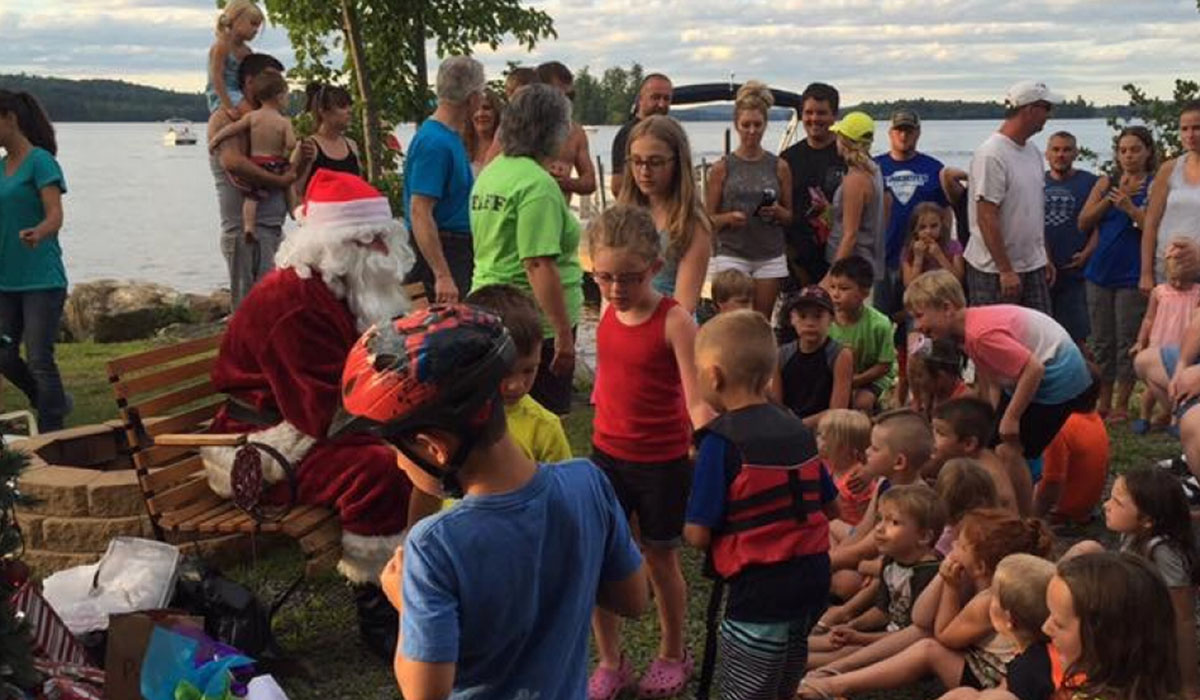
“If you market to families, little Johnny tells Sally what they did at the Birches,” Phil continued. “Now Sally goes to mom and dad and says, ‘Hey, Johnny went to the Birches and did this. I want to go to the Birches.’ It’s a domino effect.”
Once April and Phil saw that pattern, they leaned into the parts of Birches that families talked about most, from the beach and marina to the train and playground.
“Because if the kids are happy, mom and dad are happy,” April added.
Focusing on families shaped what Birches offered. It also changed what Birches would no longer tolerate.
“We had to stop the nighttime parties,” Phil stated. “There were some uneasy moments. But the biggest thing is the rules are to apply to everyone. People learned quickly that if they saw Phil on a golf cart at 11:00 at night, somebody was going home.”
“You have to make it clear what you expect,” April added. “We were blatantly clear about what we expected.”
That clarity brought about an unexpected reward.
“There were families who hadn't been to the campground in years because of the atmosphere that they didn’t want to be a part of,” April shared. “Then the word got out that it was under new ownership, and they gave us a try. They were pleasantly surprised, and many of them have been coming back over and over again.”
“Our campground is nearing its 100th year of existence,” April continued. “The property started out as a girls camp called the Campfire Girls, then it was sold and became a campground over time. The daughter of the family who purchased the campground in the 40s still visits us every summer at the prime age of 93. We have a seasonal who has been in our campground in the same site for nearly 60 years. We have many families who have been coming here for 30 years. So we’ve got three and four generations that have come and gone in our campground.”
With that kind of legacy in view, protecting the experience they were building became non-negotiable.
Once April and Phil built the family-based clientele they were looking for, they shifted their focus to keeping those families safe. And Birches sits on a 12-mile lake, so boundaries and access quickly became part of daily operations.
“Our first summer, we put up a gate with a guard shack,” April remembered. “Most of the people were not happy with it, but some were thrilled.”
April and Phil, however, were surprised by how many people from outside the campground had been using the beach, and the gate quickly changed that. It gave Birches staff more control and gave guests a better sense of security.
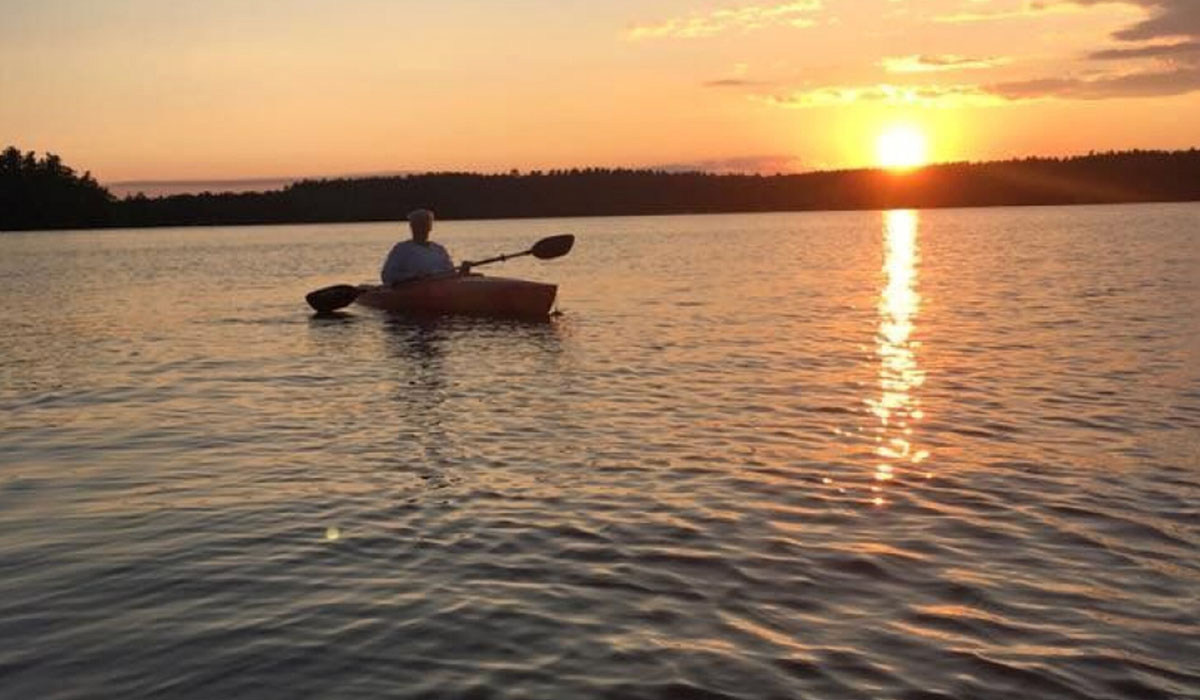
“We have a lot of kids in our campground,” April admitted. “So we want to know who is in there.”
They also built systems around the community already there.
“We have many doctors, nurses—both RNs and LPNs—on property,” Phil explained. “Every year we put together a text group of all of these people who want to be involved and help, so if someone has a medical issue, and it does happen, April will send a text to everybody called Code Yellow. And in a matter of seconds, we have at least four or five medical people on site running and rushing to where the medical emergency is.”
As the day-to-day became more and more structured, April and Phil started looking at another side of the experience, like what modern families expect once they arrive.
“One of the hardest things to do in running any RV park is just keeping up with the infrastructure and technology,” Phil shared. “It is a battle, but if you don’t stay on the forefront of it, it will leave you behind, which then leaves your business behind.”
That mindset shows up in how they think about connectivity and access.
“This year we are beta testing for 7G Wi-Fi,” Phil said. “People want to be able to travel throughout the campground and have not just good Wi-Fi, they want stellar Wi-Fi.”
They are also moving toward license plate readers at the gate.
“We want to be able to operate with the highest level of confidence that we are letting people in who are supposed to be there,” Phil said.
And every project gets weighed against what will work best for everyone, not just a select few.
“Every decision we try to make, we look at the long-term effect of cost and relationship, and we try to find the happy medium,” Phil explained. “One of the things we learned is that if we like it and we experience it, other people will like it too.”
Not every improvement is a big project, though. Many start with just listening.
“We have a store and a café,” April said. “People come in and say you should sell this or that. Well, we have a wish list.”
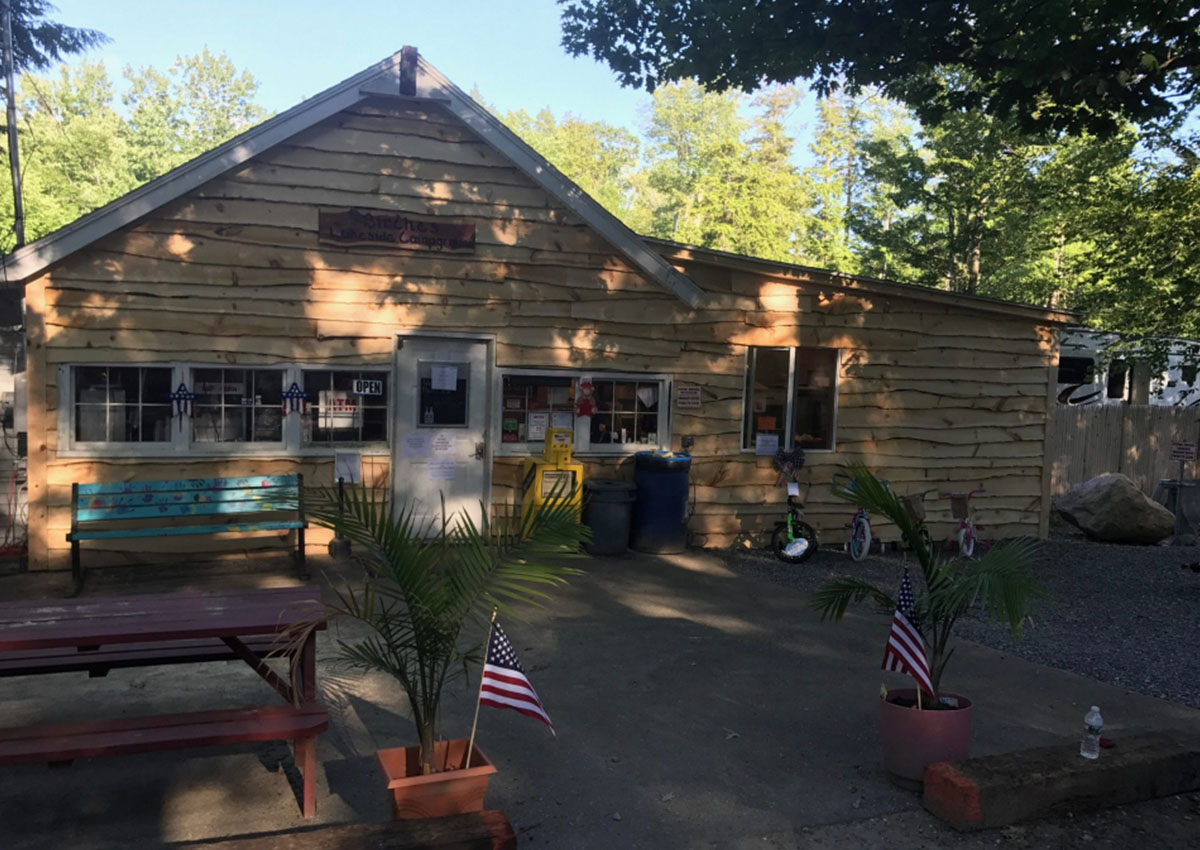
That list guides what ends up on the shelves, including soft-serve ice cream.
“Who doesn’t want ice cream?” Phil said.
Pricing and selection are intentional.
“I always try to make it so that the kids can come into the store with five dollars and buy an ice cream and a candy or a toy and a candy and have some change left over,” April said.
“We want 50 cent ice cream. We want a 25 cent popsicle because that’s what the kids want,” Phil said. “If they pay $5.50 for an ice cream, then they have nothing else. Then what do they remember the store by?”
April and Phil also train their staff to look for ways to reward the kind of behavior they want to see in the park.
“We told our staff that if you see a child doing a good deed, you give them a coin they can redeem for a free ice cream, a slushy, or a slice of pizza,” April shared. She tells a story about a child who turned in a lost cell phone and how every kid on the playground that day got a coin.
“They all brought their coins in for free ice cream,” she said. “The ice cream doesn’t cost us much.”
“But the goodwill goes on for a long time,” Phil added.
Over time, the changes at Birches have added up. The culture is clearer. The expectations are higher. The experience is more intentional. And keeping all that running smoothly takes systems that can keep pace with them.
And CampLife is proud to be one of their partners.
“I must say 10 times a week how much I love CampLife,” April shared.
“There is no question we have found a very good reservation and POS program right for our campground,” Phil said. “I just spent 10, maybe 12 minutes transferring 10 days of work from CampLife to QuickBooks through the IIF file transfer. April has nothing but good to say in every interaction she has with your support team.”
As their operation continues to evolve, so does how they use CampLife. Through ongoing conversations with the CampLife team, and by sharing what they see day to day, April and Phil help shape the adjustments that keep everything working better over time.
At CampLife, we’re proud to support owners like April and Phil as they keep shaping Birches into a place families want to grow with. And if you’re looking to strengthen your operation and your guest experience, we will talk you through what CampLife can do for your park, too. Reach out anytime.
Maximize your property with modern and seamless campground management software
for just $3 per reservation.


